
CIS 580A4 · 3 credits · Spring 2027
AI-Driven Cybersecurity for Digital Business
Attackers started using AI. Defenders have to. In one semester you go from "I have never written code" to building spam filters, fraud detectors and anomaly detectors that work - then attacking them, so you understand how they break. No prior coding. No heavy math.
Sign in to the course site Register in RAMweb What is this course?
Already enrolled? Use Sign in. Want to take the course? Use Register in RAMweb. Just looking? Start with "What is this course?"
- Signing in
- About the course
- Why it matters
- What you build
- Tools
- Where it leads
- How to register
- Request access
Signing in takes about 30 seconds
- Open the course site. You will be sent to a Colorado State sign-in page.
- Type the email address your instructor registered for you and choose Send login code.
- Check that inbox for a six-digit code. Look in spam or junk if it is not there within a minute.
- Enter the code. You stay signed in on that browser for 24 hours.
No code arrived?
The sign-in page always says "A code has been emailed to you", even when no code was actually sent. That is deliberate - it stops outsiders using the login form to discover who is enrolled. So that message is not proof one is on its way.
Your address is not registered
Access is granted per person. If your address has not been added, no code is sent. Email Dr. Abdunabi from the address you want to use and ask to be added.
You used a different address
A code only goes to the exact address on the roster. A
@rams.colostate.edu alias is a different address from
@colostate.edu. Say which one you want to use.
It went to spam
Check junk and spam before assuming anything is wrong, then use Resend on the sign-in page. Codes expire after 10 minutes.
About the course
A hands-on, intuition-first introduction to using AI to defend the digital business - and to defending AI itself. Built for business students, not engineers. Every week pairs an interactive lecture with a guided Python lab that runs in your browser.
Meets Monday & Wednesday, 10:00-11:15 am, Rockwell West (RWW) 118. Prerequisite: CIS 370 or CIS 606.
Why this matters right now
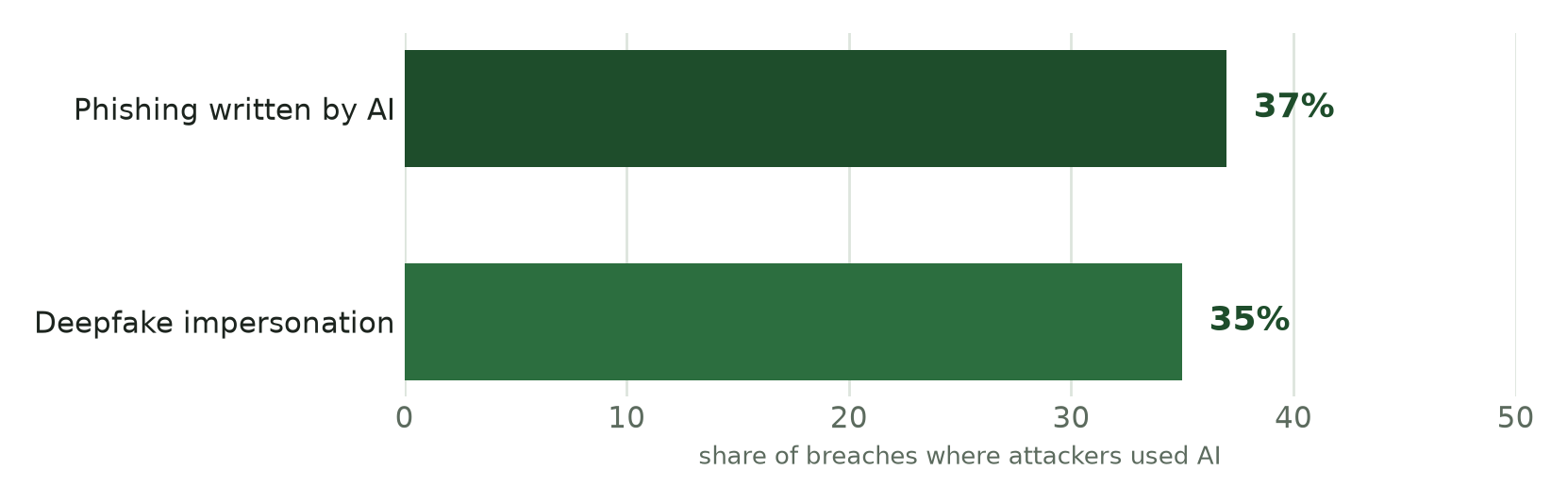
Security used to be a specialist's problem. It is now a business problem, because the tools on both sides changed at the same time. The same models that write your email also write phishing that does not look like phishing.
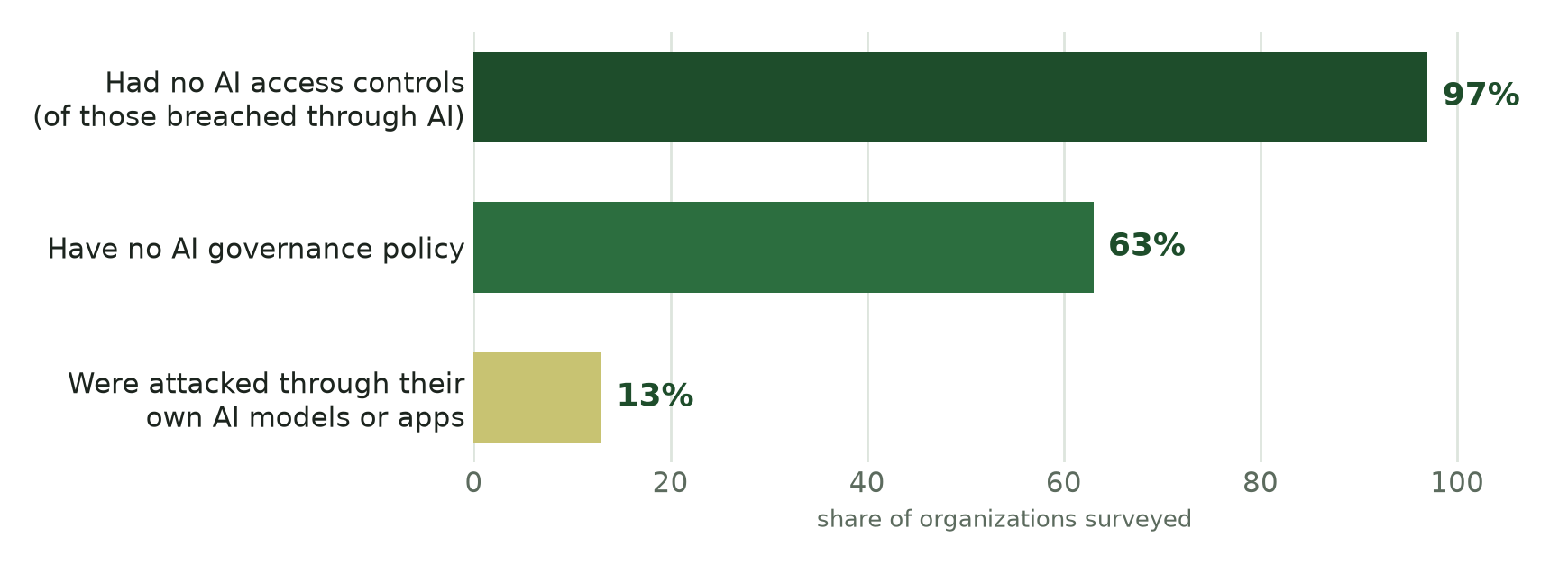
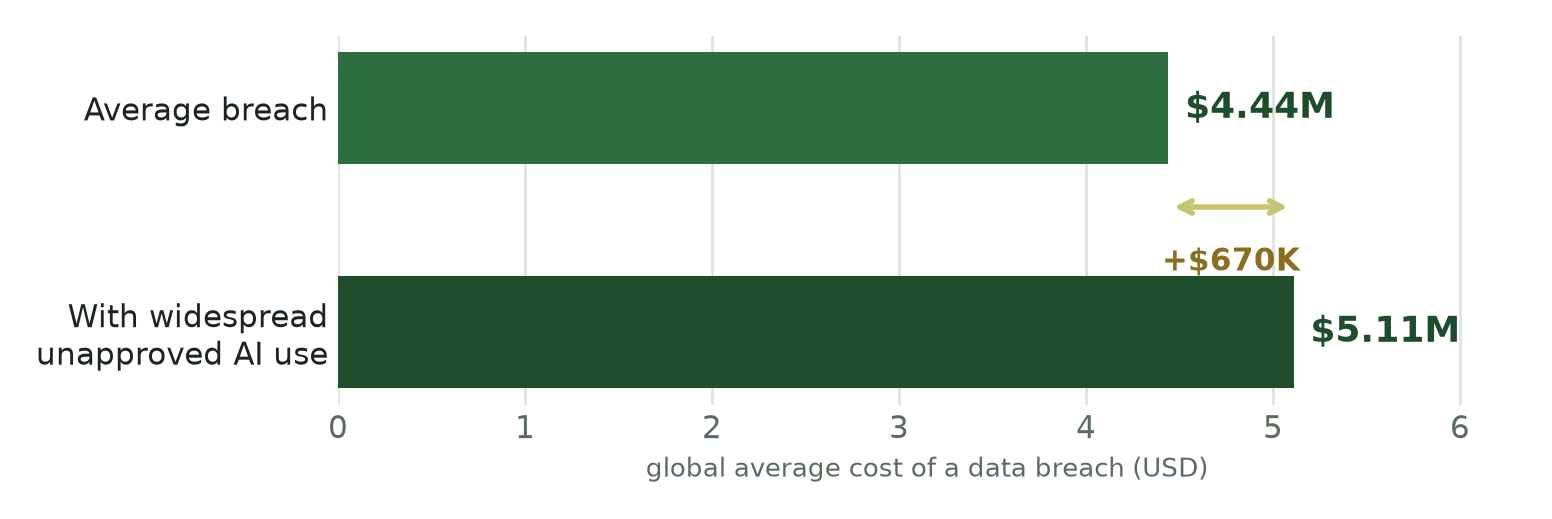
The other half is newer, and almost nobody is trained for it: organizations now deploy AI of their own, and that AI is itself a target.
What you will actually build
Twelve labs, each one a working thing you wrote and can explain.
A spam classifier
Train a model on real messages, measure how often it is wrong, and decide whether that is acceptable.
A phishing URL detector
Judge it the way a security team would: false positives cost money too.
A fraud & anomaly detector
Find the unusual login in a month of normal ones, without being told what unusual looks like.
An attack on your own model
Craft adversarial examples that fool a classifier you just built. Then defend it.
A prompt-injection break
Make an LLM tool ignore its instructions in a Capture the Flag challenge, then write the fix.
A live incident exercise
Work a CISA tabletop scenario in a team, deciding under pressure with incomplete information.
Tools you will use
All free, all in the browser. A laptop and a Google account is the whole list.
 Python™kept at a gentle beginner level
 Google Colabnothing to install
 scikit-learnthe models you train
 pandashandling security data
 Matplotlibseeing what a model did
 Jupyteroptional local alternative
- H101 Hacker101guided hacking lessons
- CTFd CTFdour in-class capture the flag
- CISA CISA Tabletopsreal federal incident scenarios
Logos are the property of their respective owners and appear here only to identify the tools taught in this course. Hacker101, CTFd and CISA are shown as text: CISA's is a U.S. government seal, whose use is restricted because it can imply endorsement.
Where this leads
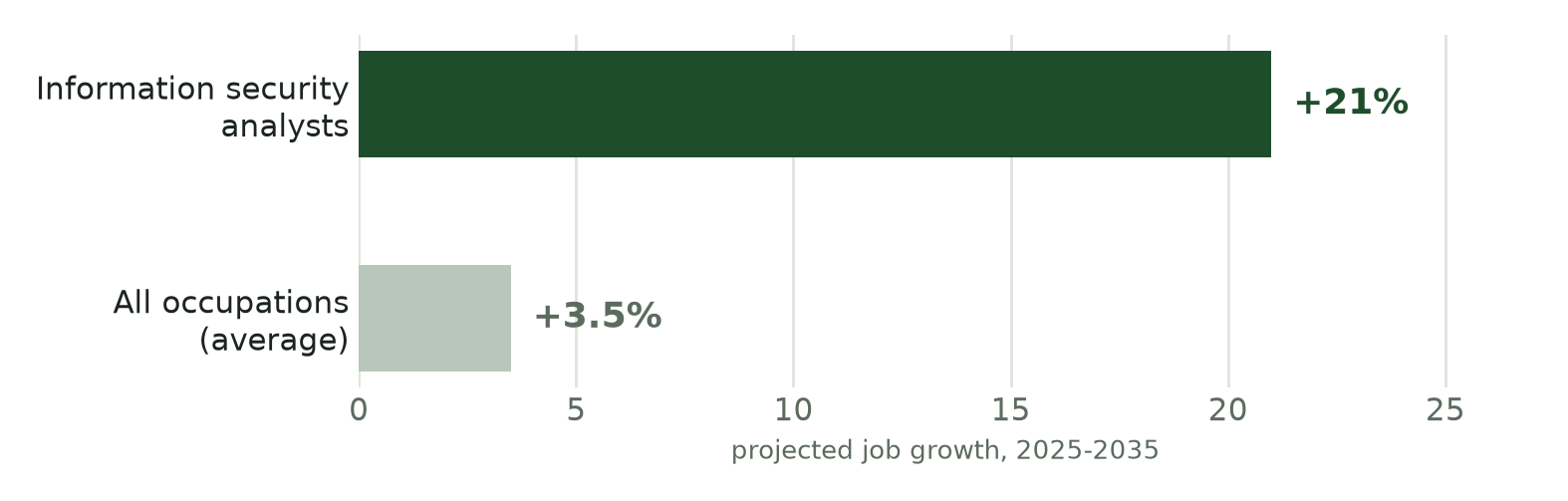
This is not only a path into security roles. Every analyst, product manager and consultant now works alongside AI systems, and being the person who can ask whether a model is safe to ship is worth more than the job title suggests.
How to register
Registration happens in RAMweb, the university's own system - not on this page. You will need your CSU NetID.
- Sign in to RAMweb with your NetID.
- Open Registration, then Register for Classes, and choose the Spring 2027 term.
- Search the schedule for CIS 580A4 - AI-Driven Cybersecurity for Digital Business - and add it to your cart.
- Submit. The course appears in Canvas once registration is processed, and your access to the course website is added from the class roster.
Register in RAMweb Step-by-step registration guide
Requesting access
Access to the course website is managed by the instructor. To be added, email:
ramadan.abdunabi@colostate.edu
Senior Clinical Professor, Computer Information Systems
017 Rockwell Hall, 1277 Campus Delivery, Fort Collins, CO 80523
Please include your full name, the course you are registered in, and the exact email address you want to sign in with. Access is usually added the same day during term.
Sources
Figures are current as of September 2026: IBM, Cost of a Data Breach Report 2025 (breach cost, attacker use of AI, AI access controls and governance) · U.S. Bureau of Labor Statistics, Occupational Outlook Handbook: Information Security Analysts (median pay May 2025, outlook 2025-35) · Employment Projections 2025-2035 (3.5% across all occupations).